Ankasamudra Bird Conservation Reserve
A Ramsar-recognized wetland where 35,000+ waterbirds nest in half-submerged acacia forests - one of India's most spectacular birding destinations
240+
Bird Species
35,000+
Birds Counted
2022
Ramsar Recognition
45km
From Hampi
The Unique Ecosystem
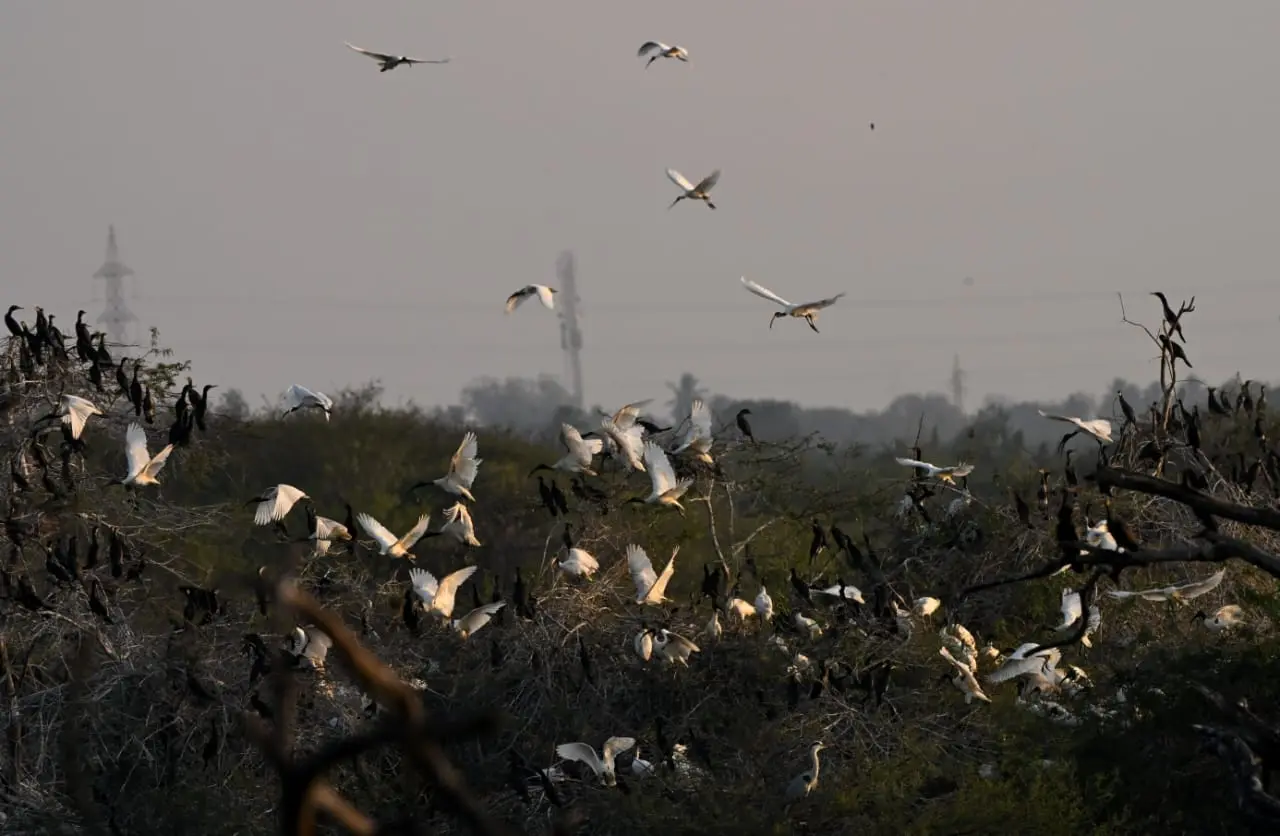
Ankasamudra is located near the Tungabhadra River, approximately 45km from the UNESCO World Heritage Site of Hampi. What makes this sanctuary unique is its distinctive landscape of half-submerged acacia trees.
These trees, standing in shallow waters, provide perfect nesting sites for thousands of waterbirds including painted storks, pelicans, cormorants, and herons. The interplay of water, trees, and birds creates a stunning visual spectacle, especially at sunrise and sunset.
The reservoir was created for irrigation purposes but has evolved into one of Karnataka's most important wetland ecosystems, earning Ramsar recognition in 2022 for its ecological significance.
Bird Species
Over 240 species have been recorded at Ankasamudra, making it one of Karnataka's premier birding destinations.
Waterbirds
85+
Painted Stork, Pelican, Cormorant, Heron, Ibis
Raptors
25+
White-bellied Sea Eagle, Shikra, Black Kite
Forest Birds
60+
Kingfisher, Woodpecker, Hoopoe, Bee-eater
Migratory
40+
Spoonbill, Flamingo, Various Ducks
Featured Species
Painted Stork
Mycteria leucocephala
The signature bird of Ankasamudra. Watch thousands nesting in the submerged acacia trees.
Spot-billed Pelican
Pelecanus philippensis
Large flocks can be seen fishing in the reservoir waters.
Black-headed Ibis
Threskiornis melanocephalus
A common sight wading through the shallow waters. Over 1% of global population nests here.
Indian Cormorant
Phalacrocorax fuscicollis
Often seen drying their wings on the branches.
Greater Flamingo
Phoenicopterus roseus
Spectacular pink flocks arrive during winter months. Recent conservation efforts protect them from power line collisions.
White-throated Kingfisher
Halcyon smyrnensis
A vibrant flash of blue commonly spotted near the water.
Indian Peafowl
Pavo cristatus
The national bird, often displaying its magnificent plumage.
Grey Heron
Ardea cinerea
A patient hunter standing motionless in the shallows.
Eurasian Spoonbill
Platalea leucorodia
Easily identified by its distinctive spoon-shaped bill.
Oriental Darter
Anhinga melanogaster
The "snakebird" swims with only its neck visible above water.
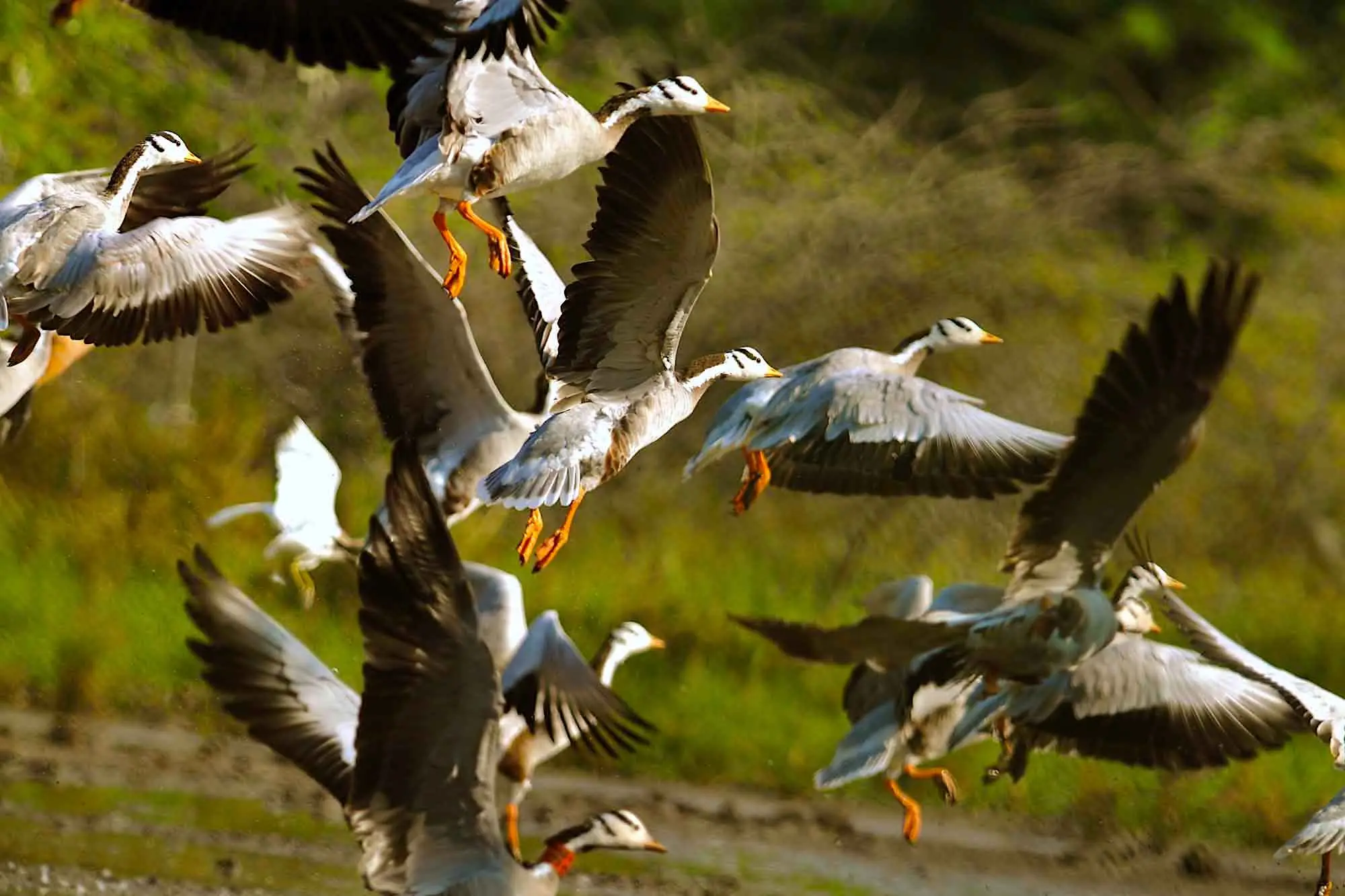
Bar-headed Goose
Anser indicus
Famous for migrating over the Himalayas, these geese winter at Ankasamudra.
White-bellied Sea Eagle
Haliaeetus leucogaster
Majestic raptor often seen soaring over the reservoir hunting fish.
Best Time to Visit
The peak birding season runs from November to March when migratory birds join the resident population.
November
Season begins, migratory birds start arriving
December
Peak nesting activity, best photography
January
Maximum bird count, ideal conditions
February
Chicks visible in nests, high activity
March
Season ends, birds begin departing
Ramsar Recognition
In 2022, Ankasamudra was designated as a Ramsar Site, recognizing its international importance as a wetland ecosystem.
International Recognition
Ramsar Convention protects wetlands of international importance for biodiversity and ecosystem services.
Conservation Status
Protected status ensures sustainable management and preservation of the unique ecosystem.
Ecological Importance
Supports breeding colonies of endangered waterbirds and provides habitat for migratory species.
Wildlife Beyond Birds
Ankasamudra is a complete ecosystem supporting diverse flora and fauna beyond its famous avian residents.
210+
Flora
Plant species including the iconic Vachellia nilotica (Karijali) acacia trees
41
Fish
Fish species supporting the bird population
27
Butterflies
Butterfly species including Plain Tiger and Blue Tiger
32
Odonates
Dragonfly and damselfly species
25
Reptiles
Including marsh crocodiles often spotted basking
8
Mammals
Species including jackals and mongoose
Protecting Paradise
Ankasamudra's journey from an irrigation reservoir to an internationally recognized bird sanctuary is a testament to successful conservation efforts.
Declared as "Ankasamudra Bird Conservation Reserve" in 2017, it became the first bird conservation reserve in North Karnataka. The site supports more than 1% of the global biogeographic population of Painted Storks and Black-headed Ibis - a critical threshold for international importance.
Recent conservation wins include the installation of Bird Flight Diverters to protect Greater Flamingos and other species from power line collisions - a collaborative effort between local NGOs and government bodies.
Conservation Partners
Bombay Natural History Society (BNHS)
Long-term bird conservation initiatives and population monitoring
GreenHbH
Local NGO driving conservation efforts and Bird Flight Diverter installation
Karnataka Forest Department
Official management and protection of the reserve
Tungabhadra Board
Water management ensuring optimal habitat conditions